The publisher is making several great pointers related to How to Handle Plumbing Issues in Your Rental Property as a whole in this content which follows.
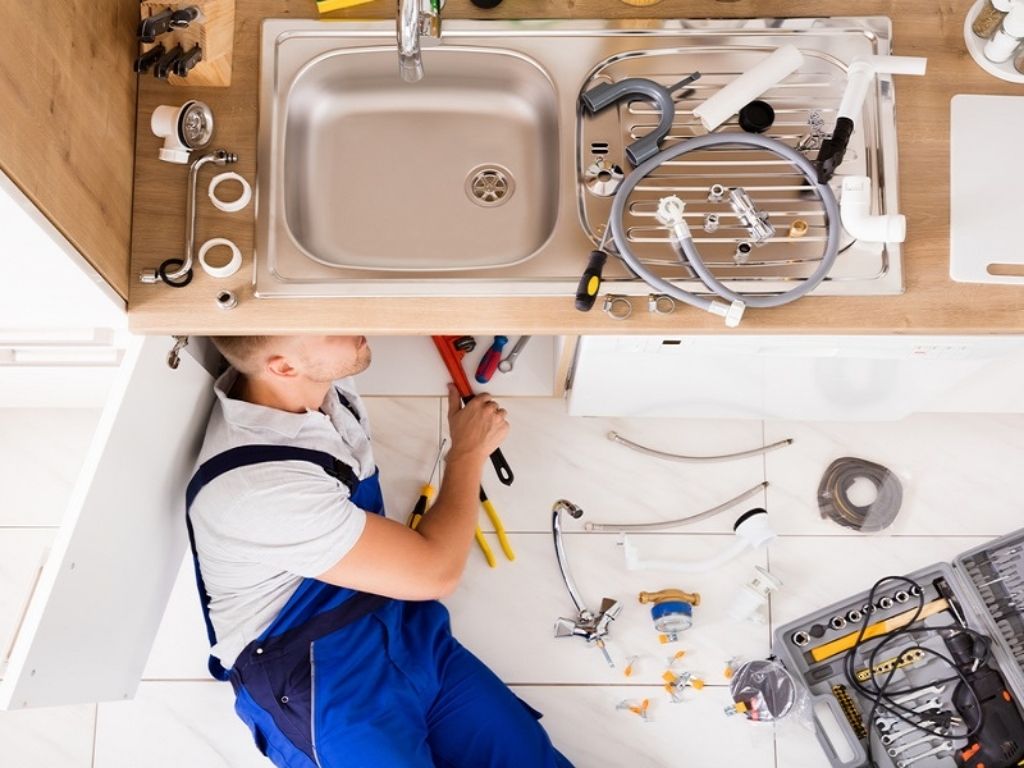
Managing pipes issues in rental homes effectively is crucial for maintaining lessee complete satisfaction and maintaining the residential or commercial property's worth. Whether you're a landlord or a residential property supervisor, knowing exactly how to resolve these common problems can save you money and time while ensuring compliance with legal obligations. Right here's a detailed guide on exactly how to handle pipes problems in rental residential properties.
Record Everything
Keep comprehensive documents of all reported plumbing problems and the actions taken to solve them. Documentation must consist of days, summaries of the trouble, interaction with tenants, and receipts from contractors or plumbers. This info can be vital for insurance policy claims, tax reductions, and legal protection.
Usage Qualified Professionals
Constantly make use of qualified and insured specialists for substantial pipes fixings and installments. This makes certain that the job depends on code and can assist prevent obligation problems in case of accidents or further damage. It additionally comforts lessees that fixings are being taken care of professionally.
Develop Clear Interaction
Motivate occupants to report any type of plumbing concerns as quickly as they happen. Offer multiple communication channels such as phone, email, or a lessee website to make it simple for them to reach out. Motivate feedbacks to these records can avoid minor issues from rising right into significant issues.
Educate Lessees
Inform your renters about what comprises a plumbing emergency and what does not. Give standards on how to take care of small issues themselves, such as using a bettor to unclog a commode. Likewise, inform them concerning what they ought to avoid taking down drains pipes to prevent obstructions, such as grease, coffee premises, and non-biodegradable products.
Regular Upkeep
Implement a regular maintenance timetable for all plumbing systems in your service residential properties. Regular checks can aid determine and settle problems like leaks, sluggish drains pipes, or corroded pipes prior to they end up being significant. Think about working with an expert plumber to check the residential or commercial properties each year or semi-annually.
Quick Reaction to Emergency Situations
Have a plan in place for replying to plumbing emergencies. This must include having the call details of reputable plumbing solutions that use 24/7 emergency repairs. Quick activity is important to reduce damage in scenarios like burst pipelines or serious leaks.
Preventive Upgrades
Take into consideration updating older plumbing systems and components to much more contemporary, effective designs. This can minimize the frequency and seriousness of plumbing concerns and reduced long-lasting maintenance costs. It's also a marketing factor for prospective renters who value upgrades and modern attributes.
Occupant Move-Out Inspections
Conduct extensive plumbing checks during move-out examinations to make certain that any type of issues are determined and addressed prior to a brand-new renter moves in. This protects against conflicts with new lessees over pre-existing problems and guarantees the residential or commercial property is in leading condition.
Understand Lawful Obligations
Know your lawful obligations concerning pipes and general property upkeep. Many jurisdictions call for property managers to ensure their buildings are habitable and that all pipes systems are in good working order. Failing to attend to serious concerns quickly can bring about legal actions from lessees.
Renter Reimbursements
If a plumbing concern needs prompt interest and the lessee fixes the concern on their own, have a clear plan in place for compensating costs. Make certain tenants understand they should acquire previous approval for higher-cost repair services unless it's an absolute emergency.
Verdict
Handling plumbing concerns in rental residential or commercial properties calls for a proactive method and excellent interaction with renters. By remaining on top of upkeep, responding without delay to emergencies, and using certified specialists, property owners can keep their buildings in excellent condition and preserve excellent partnerships with tenants.
How to Handle Water Damage in a Rental Property
What is Water Damage?
Water damage is harm or destruction caused by water entering areas where it is not supposed to be. It can be caused by a variety of sources and can manifest in different ways. The most common examples of water damage include:
Leaking roof Plumbing leaks Appliance malfunctions Poor drainage Flooding Sewage backup Condensation Tenant negligence HVAC system issues Frozen pipes Is water damage dangerous?
Water damage itself is not inherently dangerous, but it can lead to various hazards and health risks if not promptly and properly addressed. The severity of these risks depends on the extent of the water damage, the source of the water, and how quickly it is mitigated.
Some potential dangers associated with water damage include structural damage, mold and bacterial growth, electrical hazards, water contamination, and pest infestations. In situations where mold and mildew have gone unaddressed, mold can start to develop within 24-48 hours of water exposure, and this can impose a serious health risk to tenants. In particular, mold spores and damp conditions can lead to respiratory issues and even make existing health problems worse, such as allergies, asthma, or immune disorders.
Water Damage in an Apartment - Who is Responsible?
If the water damage is caused by the tenant’s negligence, the tenant is responsible for the cost of repairs. If the water damage is caused by a defect in the property, the landlord is responsible for the cost of repairs. If the water damage is a result of natural causes, such as excessive rain, then the landlord is responsible, since the water intrusion likely occurred due to a defect in the property. Landlord Responsibility water damage in rental property
Since maintaining habitability is the landlord’s legal responsibility, landlords are responsible for any resulting structural damage caused by water damage. These structural damages may include damage to walls, roofs, ceilings, and flooring. If water damage has affected the rental property’s original structure, the landlord is responsible for repairing or replacing those materials. Therefore, landlords should have property insurance that covers the structural components of their rental property so that they can receive help with the costs of covered events.
Preventative measures can also help landlords avoid massive renovations. Preventative maintenance may include conducting regular inspections to identify and address potential water damage before it becomes a major and urgent problem.
If a landlord fails to meet their responsibilities regarding water damage, it can lead to legal disputes and potential liability. Tenants who believe their landlord is not addressing water damage issues in accordance with California law can seek legal advice or contact local housing authorities for assistance.
https://www.goodlifemgmt.com/blog/water-damage-in-a-rental-property/
I'm just very enthusiastic about How to Handle Plumbing Issues in Your Rental Property and I really hope you appreciated our post. Sharing is caring. Helping others is fun. Thank you so much for taking the time to read it.